

Tools & Tips
Here we share our latest developments,
insights and more ...
TOOLS & TIPS
Pilot Plants: Strategies to Enhance Design-Build Quality

Corporate engineering standards written for long-life commercial plants can backfire on pilot-plant projects, driving up cost and schedule without improving quality. This article covers practical strategies for design-build quality: avoiding painted carbon steel, favoring tubing over pipe for process lines, when threaded pipe works, heat tracing, electrical area classification, and using corporate specs judiciously…
TOOLS & TIPS
The Design/Build Approach and Modular Construction
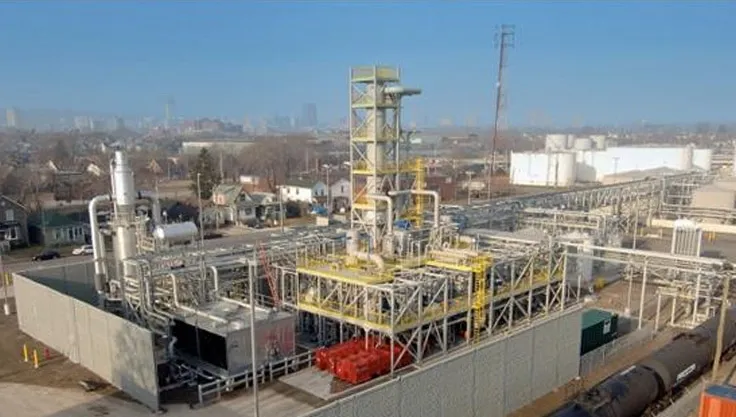
Zeton’s integrated design/build approach eliminates the need for extensive drawings and specifications by having the engineers who design the pilot plant directly supervise its fabrication, reducing schedule risk and engineering cost. Combined with skid-mounted modular construction, this strategy speeds factory fabrication, simplifies site installation, and allows flexible reconfiguration of pilot-plant space…
TOOLS & TIPS
Scaling Up- Or Down
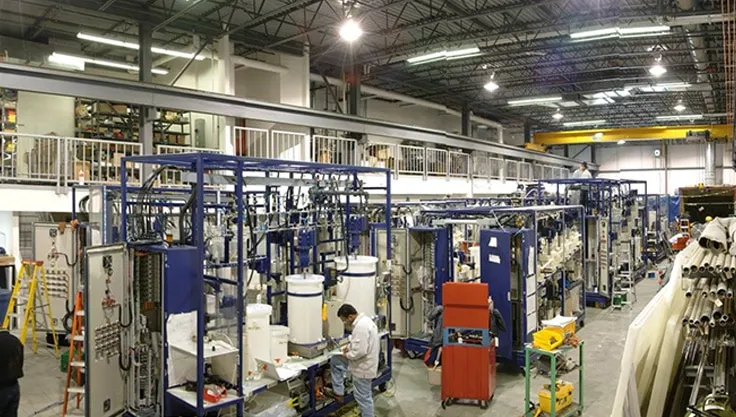
A good pilot-plant design must balance physical and equipment similarity to the commercial process against the plant’s other goals, since some factors scale with size and others do not. Drawing on dimensional analysis, dimensionless numbers, and lessons from reactor design, mixing, and heat loss, this article explores how Zeton navigates these scale-dependent tradeoffs across nearly 700 pilot-plant projects…
TOOLS & TIPS
Simplify Your Pilot Plant
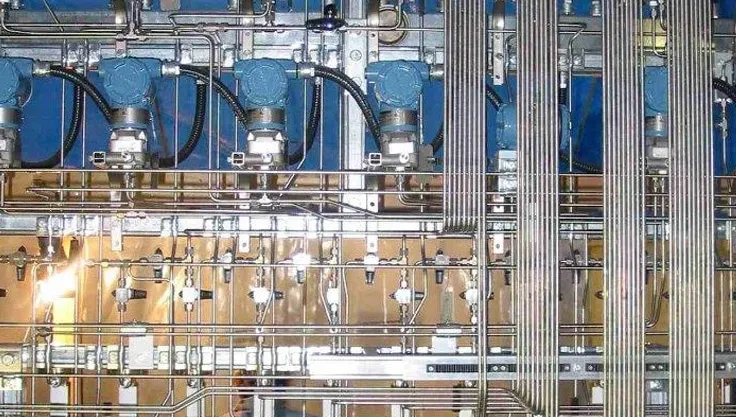
Unnecessary complexity drives up pilot-plant cost and schedule far more than the price of the components themselves, since labour for installation, procurement, and engineering scales with every tagged item on the P&ID. This article examines where block-and-bleed valves, bypasses, heat integration, and equipment duplication can be eliminated without sacrificing the process data the pilot plant is built to deliver…
TOOLS & TIPS
Choosing Materials of Construction for Pilot Plant Equipment and Piping

Corrosion service in unfamiliar process territory cannot be judged from charts alone, since a metallurgist needs stream composition detail rarely available at the outset of a pilot-plant design. This article covers accelerated lab corrosion testing, the limits of scaling metallic materials and alloy availability at pilot scale, corrosion protection methods, and titanium's strong temperature-dependent derating in pressure service…
TOOLS & TIPS
Choosing the Design Point for Pilot Plant Equipment

Choosing the maximum operating pressure and temperature, or design point, for pilot-plant equipment is far more challenging than for an established commercial process, since guessing too low can cripple the plant while guessing too high drives up cost and schedule for no real benefit. This article covers breakpoint analysis, MAWP versus MAWT, flange-limited design, and pressure integrity testing requirements…
TOOLS & TIPS
Design Inputs for Pilot Plants: Lab Data and Simulations
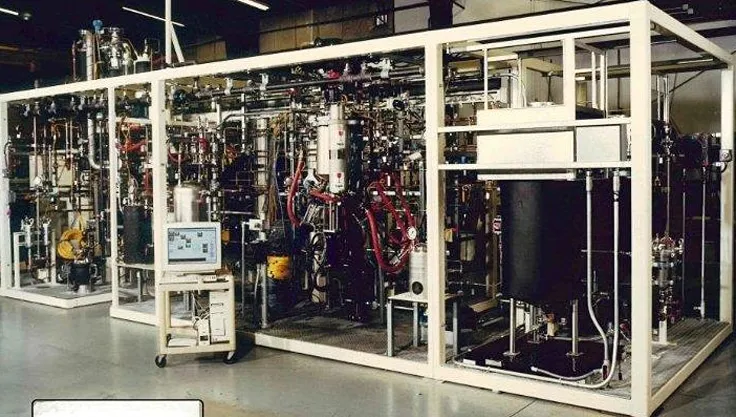
Pilot plants exist to generate the very mass and energy balance data a fully developed process flow diagram would otherwise require, so waiting for a finished flowsheet before beginning design is not an option. This article explains how to balance human engineering creativity with process simulation, and offers eight practical cautions for building a simulation the pilot-plant designer can actually use…
TOOLS & TIPS
The Uniqueness of the Pilot Scale
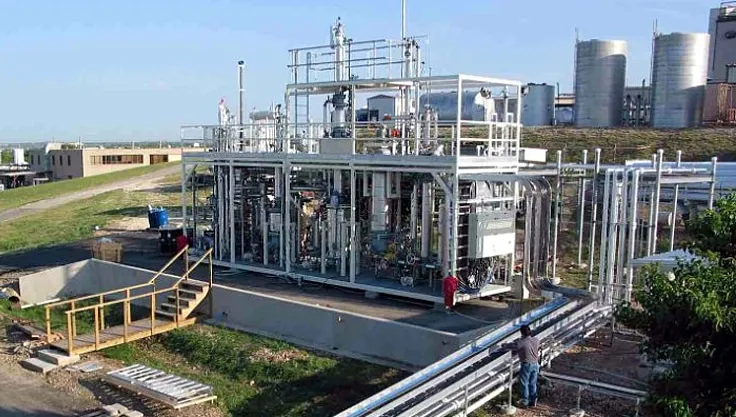
A pilot plant is not a miniature commercial plant: its product is process knowledge and operational understanding, not tonnes of on-spec output, and that distinction should shape every design decision. This article contrasts commercial and pilot-scale operations across objectives, scale, design life, operating mode, and data needs, showing why pilot plants require a separate, distinct design and project execution approach…
Recent posts