

Tools & Tips
Here we share our latest developments,
insights and more ...
TOOLS & TIPS
Quality Makes the Difference in Custom Design & Fabrication
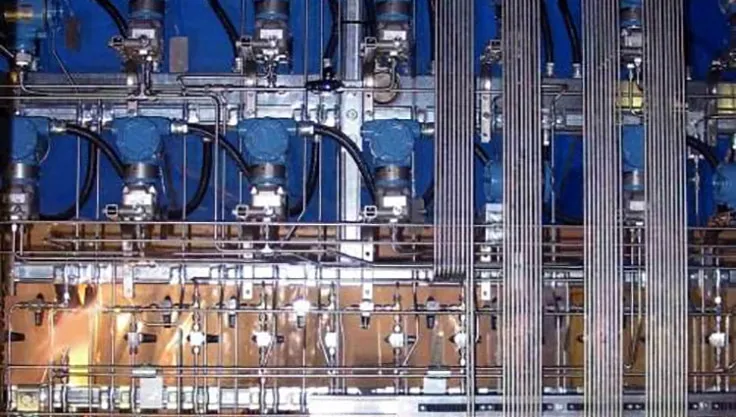
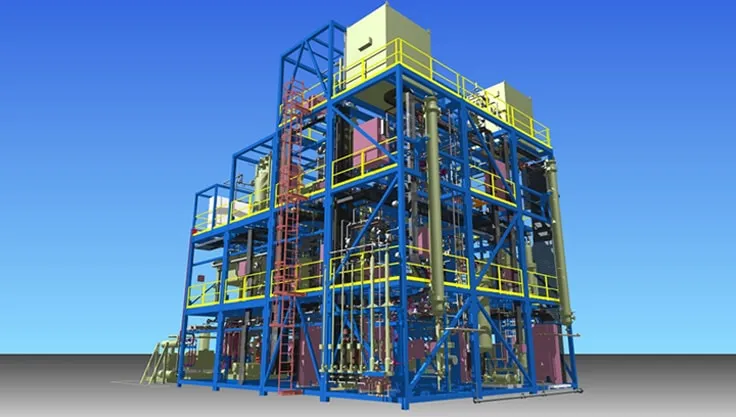
Zeton has designed and fabricated pilot, demonstration, and modular plants for over thirty years, developing a unique methodology built on team trust, experience, and empowerment. From 3D-modelling in design to co-located engineering and fabrication, rigorous factory testing, and scale-appropriate components from trusted suppliers, quality is built in at every stage right through to on-site installation and start-up support…
TOOLS & TIPS
How to Choose the Right Electric Motor for the Chemical Process Industry – Part 1 of 5

Choosing the right electric motor for a hazardous chemical-process environment starts with understanding how NEC and CEC codes classify the area. This first article in a five-part series covers hazard classes (gases, dusts, fibers), Division 1 vs. Division 2 conditions, group classifications by ignition behavior, and the autoignition temperatures used to rate motors for safe operation…
TOOLS & TIPS
How to Choose the Right Electric Motor for the Chemical Process Industry – Part 2 of 5

Both the NEC/CEC and international IEC standards classify hazardous locations for electric motor selection, but their terminology differs. This second article in the series compares NEC/CEC divisions to IEC zones, and NEC/CEC groups to IEC Group II subclasses, then explains when equipment approved under one system can be used in an area classified under the other, and why both remain reliable purchasing guides…
TOOLS & TIPS
How to Choose the Right Electric Motor for the Chemical Process Industry – Part 3 of 5

Class I, Division 1 motors must be built and labeled explosion-proof, engineered to contain an internal explosion rather than prevent one, using flame paths that quench and cool escaping gases. This third article in the series covers enclosure and flame-path design, surface-temperature T-codes matched to a gas autoignition temperature, and the nameplate markings that identify a motor class, group, and T-code rating…
TOOLS & TIPS
How to Choose the Right Electric Motor for the Chemical Process Industry – Part 4 of 5

Explosion-proof Class I, Division 1 motors will also work in a Division 2 area, but that used to be the only certified option, and it costs two to three times more to install. This fourth article explains why non-explosion-proof motors are now certified for Division 2 use, the conditions they must meet, such as no arc-producing parts and space-heater surface temperatures under 80% of AIT, and the resulting nameplate and cost benefits…
TOOLS & TIPS
How to Choose the Right Electric Motor for the Chemical Process Industry – Part 5 of 5

Variable-frequency drives improve motor efficiency and control but add heating from harmonic currents and reduced airflow at low speeds, so hazardous-area motors need a separate VFD approval and T-code from their constant-speed rating. This final article in the series walks through reading dual nameplates against a material AIT, then closes with practical tips: classify the area, plan ahead, avoid overdesigning, and put safety first…
TOOLS & TIPS
Pilot vs. Commercial Plant – part 1
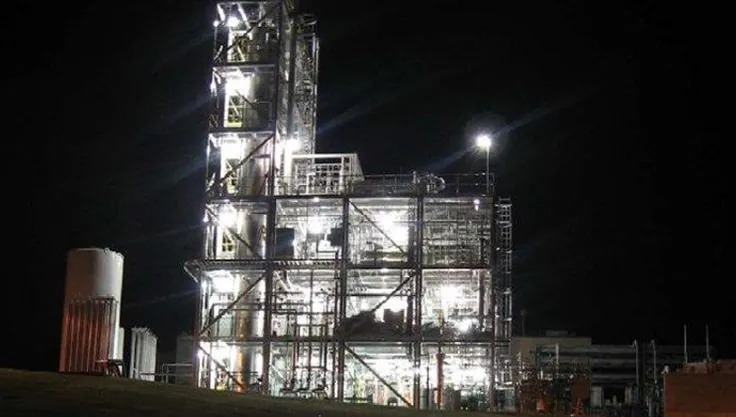
Pilot and demonstration plants look similar to full commercial plants, but applying commercial specifications to a pilot plant is a common mistake that produces weaker research results at needless expense. This first article compares their design drivers and objectives: pilot plants prioritize flexibility, representative data, and intermittent campaigns, while commercial plants prioritize continuous, cost-efficient, high-utilization production…
TOOLS & TIPS
Pilot vs. Commercial Plant – part 2
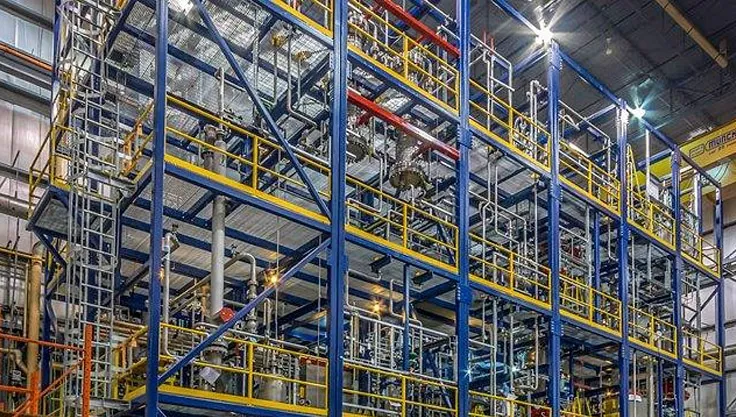
Applying commercial-plant specifications to a pilot plant often adds unnecessary cost and hurts performance. This second article walks through two concrete examples: smart electro-pneumatic control valve positioners that add little value on a short, easily inspected pilot run, and oversized commercial piping fittings that create dead volume, hurt temperature control, and lower product quality in a small-diameter reactor…
TOOLS & TIPS
Pilot vs. Commercial Plant – part 3
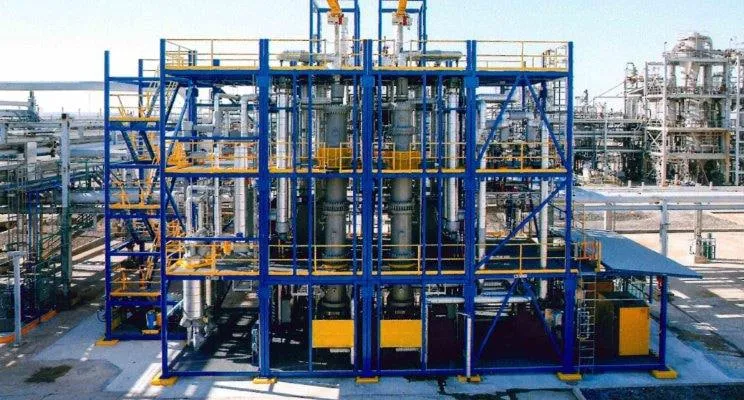
Thermowells and metal conduit make sense in commercial plants but are often over-specified in pilot plants, adding residence time, cost, and rigidity with no real benefit. This closing article in the series shows why swaging a thermocouple directly into the line and using flexible plastic tubing instead beats bulky commercial hardware at pilot scale, then sums up the series with practical guidance for writing pilot-plant specifications…
TOOLS & TIPS
Challenges in Relief Design for Pilot Plants
Relief system design at the pilot scale presents unique challenges that don't always apply at the commercial scale, from minimum code requirements and small-orifice relief valve availability to the pool fire scenario and double-guillotine tube failure in shell-and-tube heat exchangers. This article covers these issues and offers practical guidance for pilot plant designers and end users…
Recent posts